
Crypto Wallets For Beginners: What To Watch For And What To Avoid
Learn all about common wallet mistakes that could cost you time, money — or your entire balance
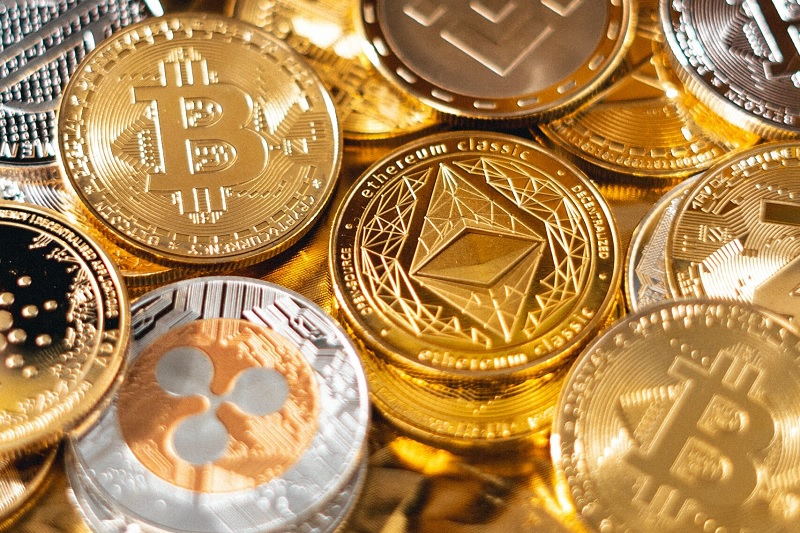
Just purchased your first crypto? You’re now among the 70 million American adults who’ve invested in this digital asset. Now, you’ll need a wallet to store your investment — and they’re not all created equal.
Learning about crypto wallets can feel like learning a new language: hot versus cold, staking, seed phrases. But it doesn’t have to be all that complicated if you’re just starting. A few smart choices can make it easier and safer as you go.
Here is what to prioritize and what to avoid to keep your crypto safe.
What is a crypto wallet, and why do I need one?
When you buy crypto, the purchase is recorded on a blockchain — a digital public ledger. A crypto wallet stores the proof of this transaction that shows you own the coins. This proof is known as your “private keys.” Without those keys, you can’t access or control your crypto.
Think of a crypto wallet like a password manager for your crypto. It stores and remembers the private keys so you don’t lose access.
Some wallets are digital apps, while others are physical devices (think USB drive) that stay offline for extra security. Either way, a wallet puts you in control of your crypto, not the exchange where you purchased it.
What to look for in a beginner-friendly crypto wallet
Which wallet suits you best will depend on whether you want to actively trade crypto or hold it long term, as well as how much security you desire. But overall, here are some top features to look for when choosing a crypto wallet.
1. Easy setup and recovery
Some of the best crypto wallets for beginners will guide you through the setup and don’t require a ton of technical knowledge. For example, the Coinbase Wallet, now called the Base App, is designed with newcomers in mind.
A beginner-friendly wallet should also give you a clear way to back it up, usually in the form of a recovery phrase. If you ever lose your wallet, especially if it’s an app on your phone or desktop, this phrase is the only way to get your assets back.
2. Supports multiple coins
Before you choose a wallet, make sure it supports the coins you want to buy. Some wallets, like Casa Wallet, only work with a limited number of assets, while others, like Ledger Nano S Plus, support thousands of tokens across multiple networks.
As a beginner, it can be easier to select a wallet that supports all the coins you’re interested in and keep everything in one place, rather than juggling several wallets at once.
3. Built-in ways to buy and trade
The best crypto wallets include ways to buy and trade coins directly in the app. Some even include other helpful tools, like the ability to swap one coin for another. These features make transactions faster and easier than involving an exchange or other platform.
What to avoid for your first crypto wallet
Though the crypto industry has gained more legitimacy in recent years, there are still drawbacks to watch for when choosing where to store your coins.
1. Wallets that don’t give you control
Some wallets, especially those found on crypto exchanges, do not give you access to your private keys. These types of wallets are called “custodial.” Though you store the coins in your account, the platform technically controls them. If the platform is hacked, shuts down, or freezes your account, you could lose access to your assets.
The best crypto wallets let you hold the private keys in a noncustodial wallet.
2. Random wallets from unverified sources
Fake wallets are a known scam in the crypto industry. You download the wallet, buy some crypto, and it’s suddenly gone — into the scammer’s digital pocket. And with the rise of artificial intelligence, cybercriminals can now deploy AI-powered crypto scams faster than ever before.
To keep yourself safe, be wary of recommendations from social media or other online forums, and choose wallets only from verified exchanges or platforms.
3. Too many advanced features
While a plethora of features can be useful for experienced traders, beginners may be overwhelmed or confused by advanced tools. DeFi access, NFT galleries, and cross-chain bridges may sound interesting, but can introduce a high level of risk for newcomers. If you do choose a wallet with these features, be sure to study them in depth to fully understand the potential risks.
The bottom line
Your first crypto wallet should keep things simple while keeping your assets secure. Start with a well-known, non-custodial wallet that supports the coins you want to buy, and be sure to back up your recovery phrase offline. Once you’re more experienced, you can always switch to something with more advanced features.
This post originally appeared at ValueWalk.
Category: crypto